
Guide
Change Orders In Construction: An Owner's Guide
What a change order is, what it should contain, and what to check before you sign one.
- Licensed Texas General Contractor
- Bonded & Insured
- Workers’ Comp Carried
- BBB Accredited A+
- NARI Member
- On Site In All 50 States
- Escrow Services Available
The Direct Answer
A change order is a signed amendment to a construction contract that changes the scope, the price, the schedule, or all three. For an owner, the rule is simple: nothing extra gets built until a written change order with a price and a schedule impact has your signature on it.
Why Change Orders Happen
Four causes cover nearly all of them. Only one is in your control.
Owner request.
You changed the layout, the finish or the equipment. The one cause you control.
Hidden conditions.
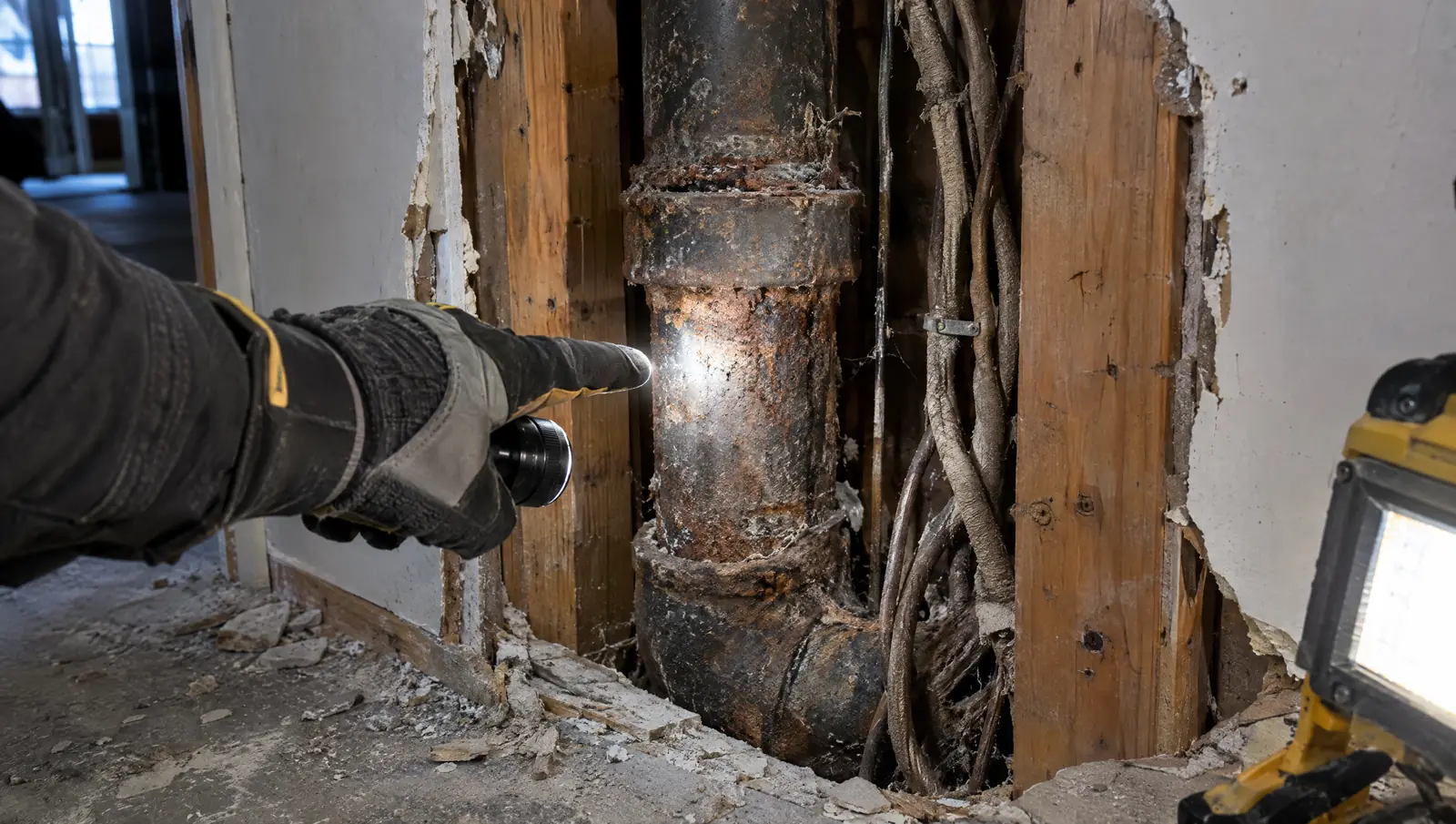
What was behind the wall or under the slab: undersized electrical service, failed waste lines, asbestos-containing tile.
Design gaps.
Something the drawings did not show or coordinate, found in the field.
Authority requirements.
A plan reviewer or inspector requiring more than the drawings showed.
What A Proper Change Order Contains
The AIA form is G701, but the form matters less than the content.
- A description of the change, specific enough to price and to check
- The cause: owner request, concealed condition, design or authority
- The price, broken into labour, material, subcontractor and markup
- The schedule impact in days, even when it is zero
- The new contract sum and the new completion date
- Signatures from owner and contractor, and architect where there is one
Checking A Change Order Before You Sign
Ask what the markup is and whether it matches the contract. Ask whether the work credits anything already in the base scope. Ask for the subcontractor's own quote behind the number.
If the cause is a concealed condition, ask to see it before it is covered up. A photograph is fine. The point is that a hidden condition should be visible to you once.
How Change Orders Hit Your Pay Application
An approved change order should appear as its own line on the G703 continuation sheet, not folded into an existing line. That lets you, your lender and your landlord see exactly what was added and what it cost.
Lenders often need to approve a change before it can be paid from a construction loan. Get their sign-off first, or the draw will sit.
How To Have Fewer Of Them
- Investigative demolition in older space before the price is fixed
- Freeze the design at permit
- A complete, coordinated drawing set before bidding
- A walkthrough with the contractor before you sign the lease
- A named contingency in your budget, so a change is planned money
FAQ
What is a change order request?
Can a contractor refuse to proceed without a change order?
Is a credit a change order too?

Next step
You Signed The Lease. Let’s Get It Open.
Send us the space and the brand standards. You’ll get a walkthrough scheduled inside 48 hours and a real number. Not a range, not a “starting at.”
No obligation. No pressure. If we're not the right builder for your project, we'll tell you on the call.
Questions first? Read the build-out FAQ
info@lnbconstruction.net

